



How can a sustainable nonprofit model transform the futures of foster youth by equipping them with vital business and trade skills?
Warren Loew knows the foster care system from the inside. As a former foster child, he experienced firsthand the challenges many young adults face after aging out of the system. Today, he's working to create something he wishes had existed for him—a nonprofit that teaches business, trades, and entrepreneurship while becoming financially self-sustaining.
Discover how innovative approaches not only empower these young individuals but also ensure lasting impact and growth. This article delves into building a nonprofit designed to create independence among foster youth by teaching them valuable professional and trade skills, focusing on sustainable funding models beyond traditional grants.
How a Sustainable Nonprofit Model Can Transform the Futures of Foster Youth
The challenge foster youth face when aging out of the foster care system is profound. Many leave without the necessary tools to navigate adulthood successfully, lacking mentorship, stable support, and career-ready skills. A sustainable nonprofit model for foster youth aims to address these gaps by providing targeted business and trade skills training, empowering young adults to secure meaningful employment and build self-sufficient lives.
Traditional support systems often fall short in preparing foster youth for independence. Instead of temporary aid, this model focuses on cultivating long-term capabilities. For example, implementing training programs that connect foster youth with trade apprenticeships like plumbing, electrical work, or culinary ventures offers tangible career pathways. These initiatives help develop not only technical skills but also crucial work ethics, responsibility, and confidence. As Warren Loew, of Small Business Solutions, Inc notes, “This is not a program based on handouts, but rather an opportunity requiring significant work and dedication from the participants. ”
By creating a nonprofit that emphasizes sustainability through business enterprises and apprenticeship programs, foster youth can access education and training that fund their futures. This approach reduces dependency on grants and philanthropy, providing a resilient financial base for ongoing support and expansion.
Understanding the Challenges Facing Foster Youth Aging Out of Foster Care
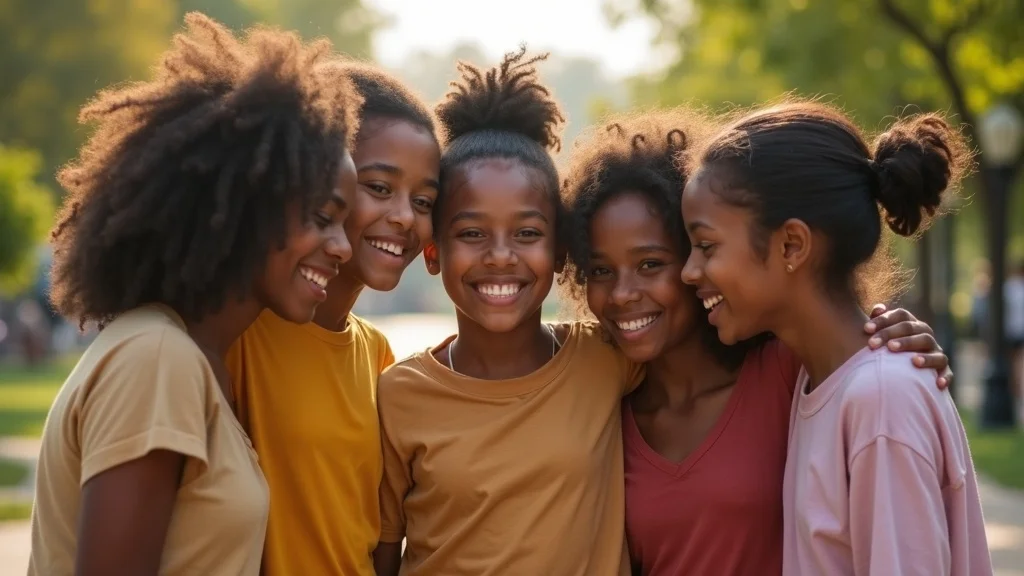
Warren believes that too many foster youth leave the system without meaningful mentorship or career preparation. While many foster families provide outstanding care, he has also seen situations where children were not equipped for long-term independence.
Furthermore, these young people rarely receive structured guidance or opportunities to develop essential life and work skills needed for self-sufficiency. Without proper preparation, foster youth face risks of unemployment, homelessness, and reliance on low-skill labor. These realities underscore the urgency of innovative strategies that integrate mentoring, vocational training, and business education in a supportive framework.
The Importance of Moving Beyond Traditional Foster Care Support
While conventional foster care support models often emphasize basic welfare and temporary assistance, they typically do not prepare youth for sustainable independence. There is a critical need to move beyond handouts toward empowerment—helping foster youth identify their strengths, pursue certifications, and gain hands-on work experience.
By fostering real-world skills and business acumen, a sustainable nonprofit model for foster youth helps break the cycle of dependency. This transformative approach aims to equip young adults with the tools to manage businesses, succeed in trades, or even become entrepreneurs themselves. Consequently, the model shifts the paradigm from foster youth being recipients of charity to active architects of their futures.
Designing a Sustainable Nonprofit Model for Foster Youth
Mission and Vision: Empowering Foster Youth Through Business and Trade Skills
Warren Loew is founder of a nonprofit initiative to empower foster youth with professional and trade skills that guarantee lasting independence. His vision revolves around creating pathways for youth aging out of foster care to transition confidently into adulthood through personalized education and practical experience in business and trades.
Warren emphasizes the fundamental philosophy: “We want to move away from traditional charity. Our model focuses on teaching real business skills and trades, demanding commitment from participants for their long-term benefit. ” This vision ensures foster youth develop not only skills but also accountability, self-esteem, and a clear sense of purpose.
Personalized Development: One-on-One Coaching and Personality Frameworks
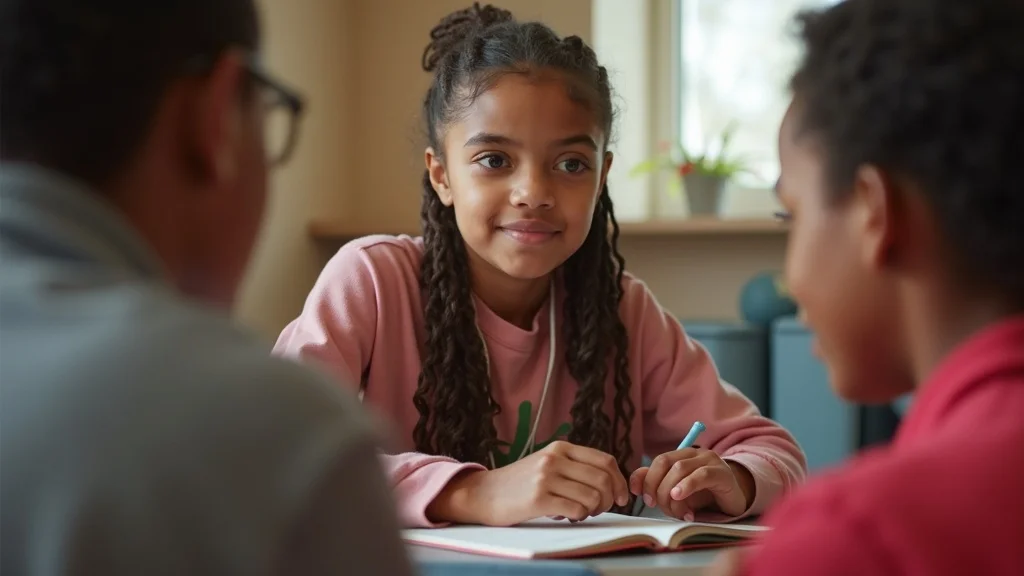
Recognizing the diverse backgrounds and talents of foster youth, Loew's nonprofit model incorporates personalized development. Instead of generic training, participants engage in one-on-one coaching to discover individual strengths, aptitudes, and goals.
Incorporating personality assessment tools like the DISC framework allows tailored coaching that fits each youth’s unique communication style and capabilities. This customized approach ensures higher engagement and success rates. Dynamic individual assessments can optimize participant outcomes by matching skills to appropriate trade or business opportunities.
Operational Strategies for a Sustainable Nonprofit Model for Foster Youth
Launching a Pilot Program to Validate the Model Locally
To ensure the nonprofit’s framework is effective and scalable, a pilot program will be launched locally in Massachusetts. This strategy allows real-world testing and refinement of the model before broader implementation. The pilot includes occupational therapy experts, personalized coaching, and business ventures where foster youth gain practical experience.
Warren Loew underscores the importance of piloting: “Starting small lets us identify what works best and adapt our methods accordingly, ensuring future growth is grounded in proven success. ” The pilot also fosters community engagement and attracts partners to support the initiative.

Utilizing Trade Apprenticeships and Business Ventures for Revenue
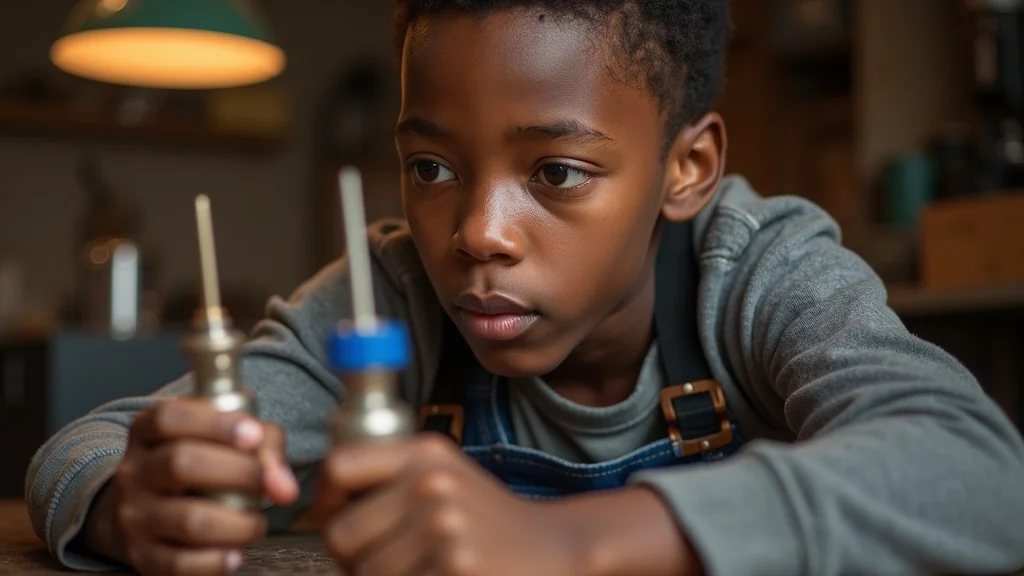
One of the defining features of this sustainable nonprofit model is generating revenue through trade apprenticeships and owned business operations. Potential future revenue-generating enterprises could include restaurants or contracting trades to foster youth and gain on-the-job training while the nonprofit earns income reinvested to expand programs.
These ventures serve a dual purpose: skill development and financial sustainability. Warren Loew highlights this approach: “Revenue from trade apprenticeships and business operations will be reinvested to fund community college tuition and additional programs, reducing long-term reliance on grants. ” This innovation empowers the nonprofit to depend less on external funding and more on self-generated income, enhancing stability and impact.
Expert Insights on Program Design and Sustainability
Throughout the development process, expert advice has been central. Utilizing personality frameworks, strategic partnerships, and adaptive coaching methods are evidence-based practices supporting success. Experts also recommend diversifying revenue streams through business operations paired with solid mentorship to ensure program longevity.
Warren Loew, drawing from personal experience and professional expertise at Small Business Solutions, Inc, emphasizes that a sustainable nonprofit requires commitment from all stakeholders and continuous evaluation. Combining personalized participant development with entrepreneurial revenue models creates a balanced, resilient foundation able to weather funding fluctuations.
Financial Sustainability and Legal Foundations of the Nonprofit
Filing for 501(c)(3) Status to Facilitate Fundraising
Securing official 501(c)(3) tax-exempt status is a crucial milestone for the nonprofit, enabling access to broader fundraising opportunities such as grants, individual donations, and corporate sponsorships. Currently with three board members and no funding, the application process is underway to enhance credibility and financial growth avenues.
Warren Loew explains that while donations can be accepted prior to certification, attaining formal status brings essential legitimacy: “Obtaining 501(c)(3) status allows us to build the capital needed—between one million and ten million dollars—to support and scale our programs for foster youth. ” This legal foundation is vital to sustaining and expanding the nonprofit’s vision.

Self-Sustaining Revenue Models: From Grants to Business Operations
While grants remain an important early-stage funding source, the nonprofit’s long-term viability depends on generating earned income. By establishing businesses managed by trained foster youth and reinvesting profits, the organization reduces vulnerability to funding cuts and fluctuating donor interest.
This innovative business approach shifts the financial paradigm from dependency on uncertain external grants toward a model where operations fund education and apprenticeship opportunities. Warren Loew stresses, “Our plan is for earned revenue to cover tuition and program costs, securing a sustainable future for foster youth empowerment. ” This model also incentivizes participants to contribute actively, reinforcing skill application and accountability.
Building Partnerships and Community Support for Foster Youth
Engaging Local Businesses and Home Service Companies
Partnerships with local businesses are essential to provide apprenticeship opportunities, mentorship, and potential funding channels. By connecting with home service companies and tradespeople, the nonprofit creates practical pathways for youth to enter the workforce with credible experience.
Potential Collaborations with Trade Experts and Mentors
The success of a sustainable nonprofit model depends heavily on expert guidance and mentorship. Collaborations with trade experts ensure relevant, high-quality training for participants. Mentors provide ongoing support, helping youth navigate workplace challenges and build career confidence.
By integrating expert advice and personalized coaching, the nonprofit nurtures both skill acquisition and personal growth, equipping foster youth to thrive in competitive environments beyond the program.
Common Misconceptions and Challenges in Supporting Foster Youth
Debunking the Myth of Foster Youth as 'Meal Tickets'
A damaging misconception is that some foster families view foster youth merely as financial resources rather than individuals deserving care and opportunity. This mentality undermines the youth’s potential and contributes to lack of mentorship and support critical to their success.
Addressing this myth is vital in transforming foster care culture and emphasizing empowerment over financial benefit. The nonprofit’s approach highlights foster youth as capable contributors to their own futures, deserving tailored support to harness their strengths and ambitions.
Addressing the Lack of Mentorship and Career Preparation
Another challenge facing foster youth is the scarcity of consistent mentorship and career guidance. Without this support, many struggle to find viable career paths or develop lifelong skills necessary for independence.
Loew's nonprofit combats this gap by providing structured, personalized mentoring coupled with practical training. These efforts collectively raise foster youth’s prospects, enabling them to secure meaningful employment and build stable futures beyond foster care.
Actionable Tips for Implementing a Sustainable Nonprofit Model for Foster Youth
Steps to Launch a Pilot Program with Personalized Coaching
Launching a pilot requires careful planning that emphasizes participant-specific coaching and feedback. Starting with a small cohort allows refinement of curriculum and operational processes to adapt to participants’ varied needs.
Engagement of occupational therapists and trained coaches facilitates a customized, strengths-based approach. This foundation is imperative to demonstrate the model’s effectiveness and secure ongoing support and funding.

Incorporating Personality Frameworks like DISC for Individual Assessment
Utilizing assessments such as the DISC personality model provides insights into each participant’s communication style, leadership potential, and work preferences. This data enables coaches to tailor training and mentoring strategies effectively.
Such frameworks help maximize engagement, improve interpersonal skills, and prepare youth for workplace dynamics—a cornerstone of personalized development within sustainable nonprofit models for foster youth.
Strategies for Building a Self-Sustaining Financial Model
Critical to success is diversifying revenue by integrating business ventures alongside traditional funding sources. The nonprofit should identify viable enterprises that provide hands-on training and produce steady income to fund operations.
Reinvesting profits into educational programs ensures continuity and growth without overreliance on grant cycles, solidifying the model’s sustainability. Developing partnerships with local businesses further enhances revenue opportunities and reduces financial risks.
Revenue Source |
Advantages |
Challenges |
|---|---|---|
Grants |
Provides initial funding; accessible for nonprofits; recognized source |
Competitive; unpredictable; often restricted use |
Business Ventures |
Generates ongoing revenue; provides practical training; reduces dependency |
Requires startup capital and management; financial risk; time to profitability |
People Also Ask
What is a sustainable nonprofit model for foster youth?
A nonprofit approach that generates its own revenue through business and trade activities.
Focuses on empowering foster youth with skills for independence.
Reduces reliance on external grants by reinvesting earned income.
How can business and trade skills help foster youth?
Provides practical career pathways and certifications.
Builds confidence and self-sufficiency.
Offers real-world experience through apprenticeships and business operations.
Why is personalized coaching important for foster youth programs?
Recognizes individual strengths and aptitudes.
Avoids one-size-fits-all approaches.
Enhances engagement and success rates.
Why Home Service Companies Should Care
Across the country, home service businesses—from plumbing and HVAC to electrical, roofing, landscaping, remodeling, and restoration—continue to face a growing shortage of skilled workers. Many business owners are searching for dependable employees who are willing to learn, develop a trade, and build a long-term career.
Warren Loew believes foster youth aging out of the system represent an often-overlooked talent pool. With the right mentoring, structured training, and career opportunities, many of these young adults can become dedicated employees, apprentices, and eventually leaders within the skilled trades.
Rather than asking contractors to simply make charitable donations, Loew envisions partnerships that create lasting value for everyone involved. Participating companies could offer apprenticeships, internships, job-shadowing opportunities, mentoring relationships, or hands-on training that gives young adults practical experience while helping businesses develop their future workforce.
"We're not looking for handouts," Loew explained. "We're looking for opportunities that allow young people to earn success through hard work, accountability, and professional development."
The nonprofit's long-term vision also aligns closely with the entrepreneurial spirit found throughout the home services industry. As participants gain experience in plumbing, electrical work, construction, HVAC, landscaping, or other skilled trades, they can develop not only technical expertise but also business skills that prepare them to manage teams, launch companies, or mentor future participants themselves.
For home service companies struggling to recruit qualified employees, investing time in mentorship today may help develop the skilled workforce they'll need tomorrow. At the same time, those partnerships can provide life-changing opportunities for young adults who simply need someone willing to invest in their potential.
How Companies Can Get Involved
Home service companies interested in supporting the initiative may be able to contribute in several ways:
Offer apprenticeship or internship opportunities.
Provide job-site tours or career exploration events.
Mentor participants interested in the skilled trades.
Donate tools, equipment, or training materials.
Serve on advisory committees to help shape workforce development programs.
Partner on revenue-generating business ventures that create both employment opportunities and long-term sustainability for the nonprofit.
Warren Loew concludes, "By equipping foster youth with business and trade skills through a sustainable nonprofit model, we can create lasting change that empowers them to build successful, independent lives."


Write A Comment